Takeaways
-
Lead with the job list, not the budget. Have the customer list and rank every task they plan to tackle in year one, then size the machine for their most frequent heavy jobs rather than a one-off project.
-
Translate hydraulic flow into plain language. Show the machine’s auxiliary flow (gpm) and pressure (psi) side-by-side with the attachment’s spec sheet.
-
Size for the property and the trailer. Confirm the narrowest gate width, check rated operating capacity for pallet work and verify their trailer can safely haul the loader plus its heaviest attachment.
-
Provide hands-on training and seasonal care tips. Since rural lifestylers only log 50–150 hours a year, walk them through basic maintenance and let them test-run their primary attachment on your lot.
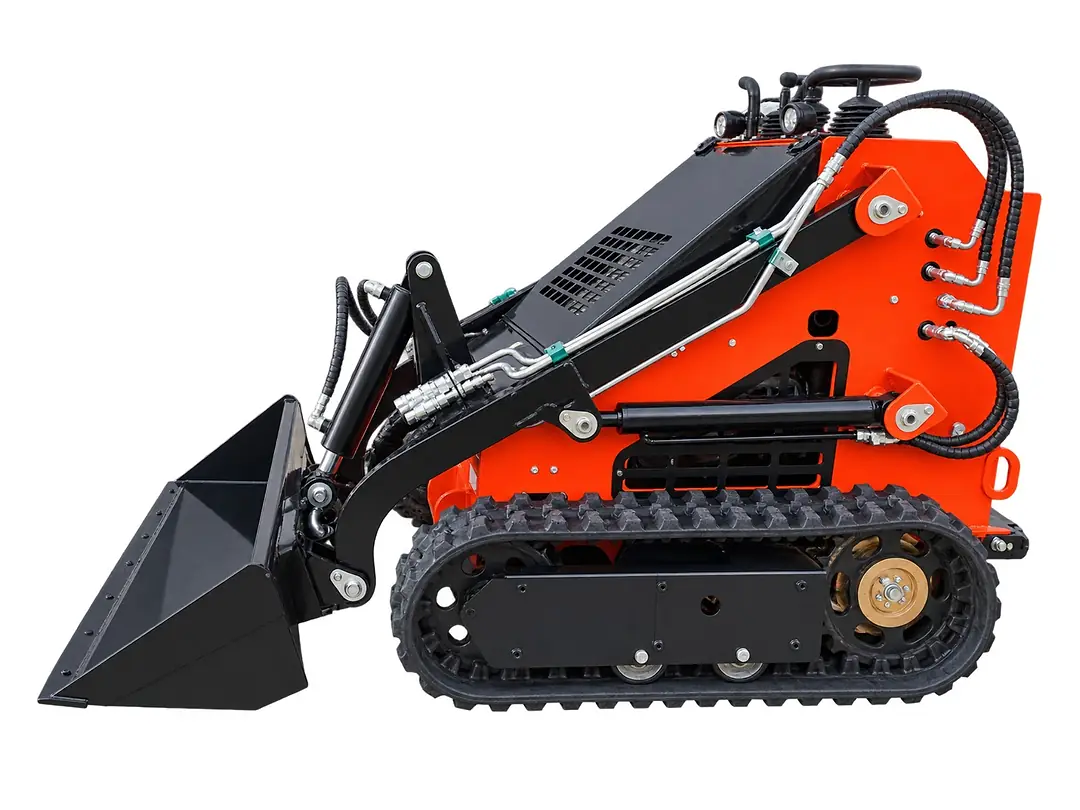
A customer with 15 acres walks onto your lot looking for mini skid steers. They have watched a few videos of a stand-on loader digging post holes and moving mulch, and decided they want one. What they have not decided, and usually cannot answer, is which one. That customer needs help figuring out which product will best suit their unique needs. They do not know what hydraulic flow they need, which attachments will actually work or whether the machine will fit through the gate behind their barn.
That gap is where a dealer earns the sale and, more importantly, the next 5 sales. Rural lifestyle buyers are not contractors. They typically don’t run a machine every day, nor do they have a fleet manager checking spec sheets. Also, they are spending their own money on something they hope will last 15 years. What they want from you is not a pitch. It is a straight answer to 3 questions:
- What can this machine really do?
- What size fits what I need?
- What am I going to wish I had asked before I bought it?
Start with the Jobs, Not the Machine
The best first question you can ask your customer is not, “What is your budget?”
Instead, ask: “What do you want to do with the skid steer in the first year?”
Typically, they will have a short, predictable list that reads something like this:
- Dig post holes for fencing, decks and pole barns
- Move mulch, gravel, dirt and manure
- Grade a driveway or level a building pad
- Clear brush, saplings and fence lines
- Till garden plots and food plots
- Trench for water lines or electrical
- Grind stumps
- Handle pallets of feed, fencing or block
Help write the list with them, then rank it by how often they expect to do each job. The machine you recommend should be sized for the jobs at the top of that list, not the one job they will do once. A customer focused on moving dirt and digging post holes has entirely different equipment needs than one who mulches brush every weekend.
Hydraulic Flow Is the Conversation Most Buyers Never Have
When it comes to buying a skid steer, hydraulic flow is the single most important thing a dealer can explain, and the one most buyers have never heard of. A mini skid steer is a hydraulic power source on tracks or wheels. The attachments get their power from the machine's auxiliary hydraulic circuit, measured in gallons per minute (gpm) and pressure (psi). If an attachment needs more flow than the machine delivers, it will run slowly, stall under load or not run at all.
Most mini skid steers fall into a fairly tight range of auxiliary flow, commonly somewhere around 8-14 gpm, with a smaller group of larger or high-flow models going higher. That range covers a lot of work, but not all of it. Attachments vary widely in what they need:
- Augers are among the most forgiving. Most auger drives are built for a range of flows, and a standard mini loader can run one well. The auger drive’s rated flow range should include the machine's flow.
- Buckets, forks, grapples and leveling bars need little or no auxiliary flow beyond what it takes to open a grapple or tilt a blade. These are the safest first attachments for any machine.
- Tillers and trenchers sit in the middle. Many are built for standard mini loader flow, but the depth and speed you get depend on matching the attachment's rated range.
- Stump grinders and brush mulchers are the hungry ones. These are where flow matters most, and where buyers are most often disappointed. A mulcher rated for higher flow than the machine provides will bog down in the first stand of cedar.
As a practical rule, remind your customer that every attachment has a manufacturer’s rated flow range and maximum pressure. The machine’s auxiliary flow should fall inside that range. Show them both numbers side by side, on the actual spec sheets, before they buy either one. If their top job is mulching brush, size the machine around the mulcher first, then make sure it still fits everything else on their list.
It is also worth explaining that ”it hooked up and it ran” is not the same as ”it will do the job.” A customer might test the mulcher on a lot for 30 seconds. But when they take it home to a fence line full of hedge trees, the difference quickly becomes clear. A dealer who explains that up front is the dealer that customer comes back to.
Size the Machine to the Property, Not the Brochure
Rural lifestyle buyers are usually working in tight places: between buildings, through gates, inside a barn, around a garden or under trees. The second conversation dealers must have when helping someone select a skid steer is about size, and that should be a 4-part question.
Width. Measure the narrowest place the machine has to go: the gate, the barn door, the space between the shop and the fence. Many mini skid steers are narrow enough for a standard walk gate, but not all are, and some get wider with wider tracks. Ask the customer to measure before they come back, or measure it for them if you deliver.
Operating capacity. Mini loaders vary a lot in how much they can safely lift and carry. A customer who wants to move pallets of feed or large round loads needs to know the rated operating capacity, and that it drops as the load moves away from the machine. Fork and pallet work is where buyers most often discover they bought too small.
Weight on the ground. Tracks spread the weight and help on soft lawns, wet pasture and mud. Wheels are often simpler, can be easier on hard surfaces, and may cost less to maintain. Ask where the machine will spend most of its time. A customer who will work on a finished lawn and around a septic field will care about ground pressure more than one who works on gravel.
Hauling. The machine has to get from the shop to the back 40, and sometimes to a neighbor’s place or a second property. Make sure the customer knows the machine's weight with an attachment on, and that their trailer and tow vehicle are rated for it. A light-duty utility trailer that is perfect for a riding mower may not be right for a loader plus a mulcher.
Explain the Attachment Plate First
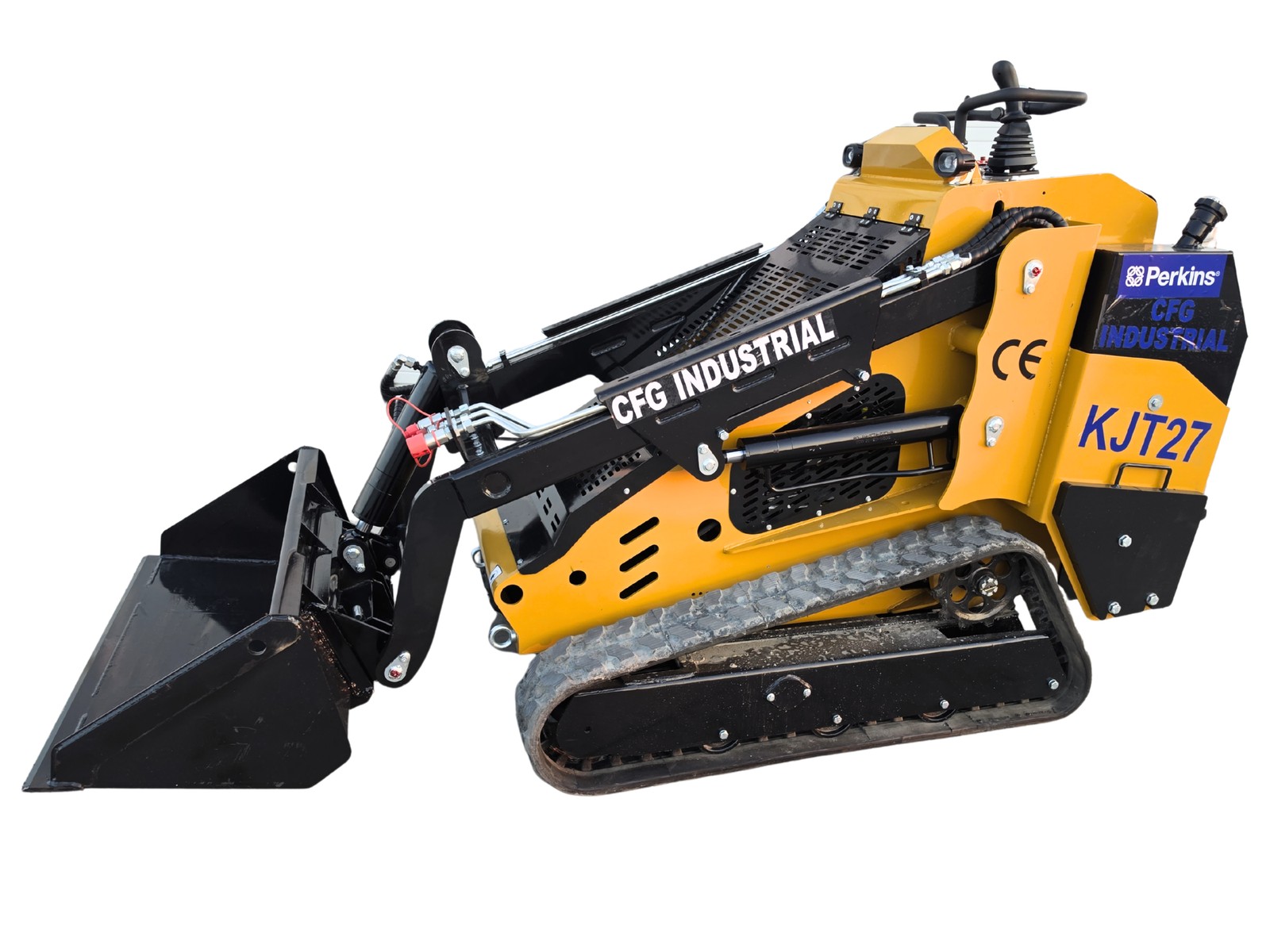
Many buyers assume every skid steer attachment will fit every skid steer. However, this is often not the case for mini skid steers. Many mini loaders use a smaller mini attachment plate rather than the full-size skid steer quick attachment found on larger machines, and some brands have their own systems. Before a customer buys a used auger or a grapple from a neighbor or an online listing, they need to know which plate their machine uses.
This is a small conversation that saves a big headache on both sides. Tell them which plate their machine uses, show them what it looks like, and tell them to send you a photo of any attachment they are thinking about buying elsewhere. They will remember that you saved them from a mistake.
Talk Honestly About Hours, Service and the Machine's Limits
Rural lifestylers often run their machines 50-150 hours a year. That is very different from a contractor running one every day, and it changes what matters.
• Storage. A machine that sits for weeks needs to start when it is needed. Talk about battery maintenance, fuel stabilizer for gas engines and keeping it out of the weather.
• Basic maintenance. Show them the grease points, the hydraulic fluid check, the air filter and the track tension. Many of these buyers are glad to do their own routine service if someone shows them how.
• Hydraulic hoses and couplers. Explain how to keep the auxiliary couplers clean and capped. Dirt in a hydraulic circuit is one of the most avoidable causes of trouble.
• Limits. A mini skid steer is not a full-size skid steer or a compact tractor. It is excellent in tight spaces and with the right attachments, but it is not built to push over large trees or dig a pond. Saying so builds trust.
Training Is Part of the Sale
Many of these buyers have never run a hydraulic machine of any kind. The first hour they use it can be the most dangerous one. Walk them through the controls, the safety interlocks, how to carry a load low, how to work on a slope (and when not to) and how to keep bystanders, children and pets clear of the work area. Point them to the operator's manual and the safety decals, and make sure the manual goes home with the machine.
If you can, let them run the machine with the attachment they plan to use most. A customer who digs a few post holes on your lot leaves knowing how the machine feels, and knowing that you took the time.
What They Really Want from You
Putting this all together, the rural lifestyle buyer is looking for a dealer who will:
- Ask about their jobs before suggesting a machine
- Explain hydraulic flow in plain language and match it to the attachments they need
- Measure their gates and talk about hauling before the machine is loaded
- Tell them which attachment plate they have, and help them avoid buying the wrong one
- Show them basic care, and be there when they have a question in year three
None of that is complicated. Most of it takes 20 minutes. But it is the difference between selling a machine and becoming the place a customer goes for every attachment, every service and every referral to the neighbor down the road who just bought 10 acres.
The Bottom Line
The rural lifestyle buyer wants confidence more than features. Start with their list of jobs, match the hydraulic flow to the attachments at the top of that list, size the machine to the property and the trailer, and spend the time to show them how to run it and care for it. Do that well, and the mini skid steer you sell this spring will bring that customer back for years.
Frequently Asked Questions
Q: What size mini skid steer do I need for x amount of acres?
A: The right size depends on your most frequent jobs and tightest spaces rather than total acreage. Measure the narrowest gate or barn door the machine must pass through, and check the machine's rated operating capacity if you plan to lift heavy pallets of feed or block.
Q: How much hydraulic flow does a mini skid steer need?
A: Most standard mini skid steers deliver between 8 and 14 gallons per minute (gpm) of auxiliary hydraulic flow, which easily runs augers, buckets, forks, and most tillers. If you plan to run high-demand attachments like brush mulchers or stump grinders, you will need a higher-flow machine whose gpm output falls directly inside the attachment manufacturer's rated range.
Q: Do all mini skid steer attachments fit every machine?
A: No. Many mini skid steers use a smaller, mini universal attachment plate—or a brand-specific proprietary mount—rather than the full-size skid steer quick attach. Always verify your loader's mounting plate style before buying new or used attachments.
Q: Are tracks or wheels better for a mini skid steer on rural property?
A: Tracks distribute weight better, giving you superior traction and lower ground pressure on soft lawns, mud, and wet pastures. Wheels are mechanically simpler, cost less to maintain, and are often gentler on hard surfaces like concrete and asphalt.
Q: What can a mini skid steer not do?
A: While mini skid steers excel at digging post holes, moving mulch, grading driveways, and working in tight barns, they are not replacements for full-size skid steers or compact tractors. They do not have the weight, reach, or breakout force required to push over large trees or excavate deep ponds.