We are witnessing what I believe is a troubling or challenging trend in our area. It involves beef cattle enterprises. We are seeing an alarming number of beef cattle operations exiting the business.
I received a call from a customer this week and he stated he was getting too old to do the daily work, and was selling his herd and renting out his pastures to a neighbor to grow row crops.
We had another rancher pass away a couple of weeks ago and the family is liquidating the herd and the equipment. This is a monthly trend.
I know of no one going into the business.
A quick call to the local providers of fencing equipment, cattle panels and head chutes reveals the same lackluster sales numbers. There are a few increasing herd counts, but nothing to make up for losses.
We thought the downward trend had subsided, but now seems to be picking up again. We see where cattle numbers are lowest in 75 years as well. I reported earlier that market researchers from hay and forage equipment companies are scratching their heads and wondering why equipment is not flying off the lot since cattle prices are so high. Cattle numbers, or lack thereof, are the reason.
Another factor is the price of items like balers, disc mowers, tedders, etc. Farmers looking to retire are hesitant to pop for these amounts.
Yes, our cattle farming customers are getting old, just as are the rest of ag producers. The median age of the North American farmer is right at 60 years of age, almost retirement time. It is a phenomenon known as the graying of agriculture. Cattle farming is a tough business: 365 days a year and age seems to be the contributing factor — plus the statement 'we are getting out while the getting is good'.
I am tempted to say no one wants to work anymore. Tennessee and Kentucky used to be one of the major providers of backgrounded calves sent to Midwest feed lots. Today, Texas, Oklahoma, Montana and Nebraska are trying to keep up with demand.
Our four-legged ruminant numbers are decreasing over 10,000 head per year per USDA reports, even with past record high profits in the industry. When corn is up — people plant more corn — this just isn't happening in the beef cattle industry here.
So, what does all this mean to us equipment dealers who see declining sales numbers in an area that used to be a most profitable segment of our business. Well duh, Tim, it means a continuation of lower whole goods, service and parts sales to this segment.
We see our business moving more to the 220 customers. Two horses and twenty acres, or the half-backs. Those who are retiring from the North moved to Florida and are now moving halfway back, landing in the Tennessee/Kentucky area. They are even adding a cow or two as well in hopes of a profit or a delicious ribeye in the future.
Ag equipment sales numbers continue to tumble. Keeping an eye out on declining trends and increasing opportunities is part of profitable planning; it is difficult and no one likes change. But then we don't like shots and the taste of medicine either.
We, like the Mary Poppins song goes, we need a 'spoonful of sugar' to make the medicine go down. Finding that spoonful is like the cattle industry — a daily job.
Til next time look for the sugar bowl (not the football one), and we wish you miles of smiles and profits as a result.
|
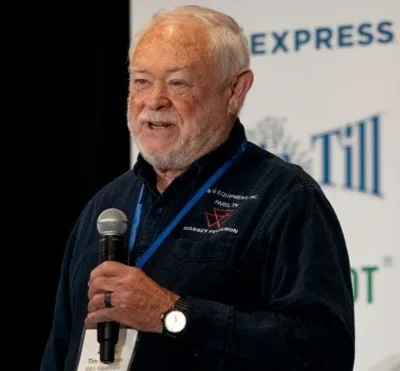
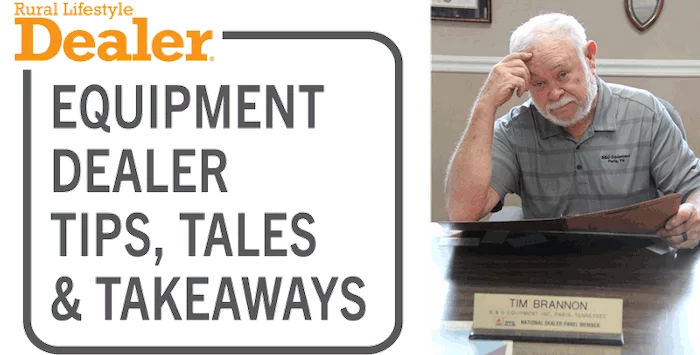
Told from the perspective of an in-the-trenches owner/operator — Tim Brannon of B&G Equipment, Paris, Tenn. — Equipment Dealer Tips, Tales & Takeaways shares knowledge, experiences and tips/lessons with fellow rural equipment dealerships throughout North America. Covering all aspects required of an equipment dealership general manager, Brannon will inform, entertain and provide a teachable moment for current — and future — leaders within equipment dealerships. |
 |