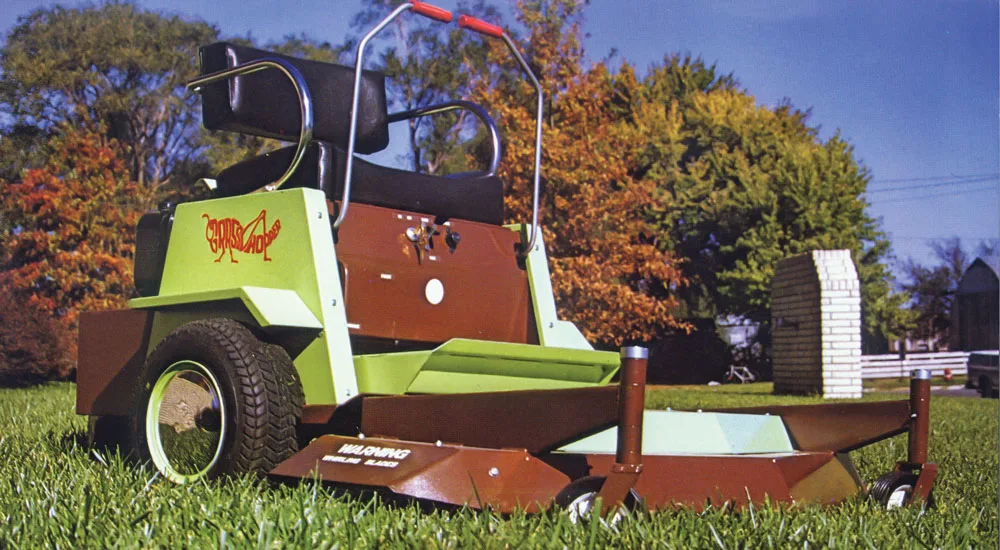
When introducing a new product line, identifying and targeting receptive customer segments can drive momentum early. Responses to Grasshopper’s zero-turn mower were originally met with surprise from the market, but the farm community quickly embraced it.
“The farm market was our biggest customer base originally because you didn’t have to explain the concept of a zero-turn mower to a farmer. He understood it,” says Stan Guyer, president of Grasshopper Mowers.
The Importance of Communication
Grasshopper has had steady growth in residential and contract customers, but that didn’t come without a challenge. The market downturn of 2008 proved to be an unpleasant time for Grasshopper.
Rebounds do happen, but take effort and determination to find a way through them, Guyer says. Loyal customers helped the company get through troubling times.
“We have loyal customers who stick with us year after year,” he says. “We are a charter member of the National Farm Machinery Show, and every year for the past 60 years, there are many people that tell us they have owned 5 or more Grasshopper mowers, or that they are still running their first one that is 25 years old.”
Building brand loyalty also depends heavily on maintaining continuous conversations and feedback with customers.
“We’ve developed a lot of successful products, and some that weren’t so successful,” Guyer says. “All the while, it’s important to maintain that customer loyalty. And that’s where the family aseptic comes in. When I work a show, I am always asking our customers questions such as how it’s working for them and how we can improve. It takes a personal approach like that.”
Quality Products and Support
Prioritizing high-quality, real-person customer support rather than automated systems can distinguish a company from competitors.
“We have a live operator who answers calls at our factory,” Guyer says. “Nothing is more frustrating than to call a company and have to go through a litany of prompts. We could automate that, but it would come at the cost of the personal touch that many of our customers appreciate.”
Focusing on the quality of products and creating strategic long-term plans is more beneficial for a company’s customer relationship compared to looking for only short-term results.
“A large corporation is always worried about the next quarter,” Guyer says. “As a family, we’re not just thinking about the next quarters, but the next year, the year after and so on.”
A design-first approach to product development can help further ensure proper performance and customer satisfaction.
“Probably the most important thing we do is that we use a design-match approach to our products,” he says. “We make machines that are extremely easy to operate. We are more interested in putting out a good product rather than meeting a deadline or being the ‘first’ to do something.”
To learn more about the Grasshopper Legacy, read Hayden Lessiter’s article “Grasshopper’s Stan Guyer Recounts a History of Manufacturing & Family Business” featured in the September issue of Rural Lifestyle Dealer.